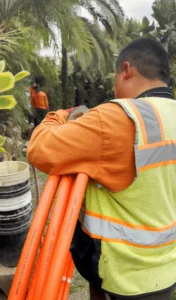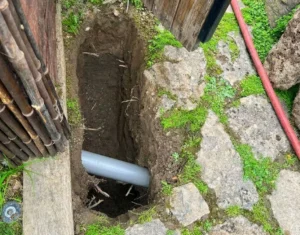
When an underground pipe problem affects a home, commercial property, HOA community or public site, an initial concern frequently surrounds how disruptive the repair will be.
This guide explains gas line installation in San Jose in practical terms so property owners can weigh options before committing to open excavation. A trenchless approach often reduces digging, protects finished surfaces and helps teams plan repairs with clearer information from inspection findings in San Jose and across the Bay Area. The right solution depends on the pipe material, damage pattern, access points and site conditions, so the goal is to explain what to look for and when to bring in a trenchless contractor.
What Gas Line Installation San Jose Involves
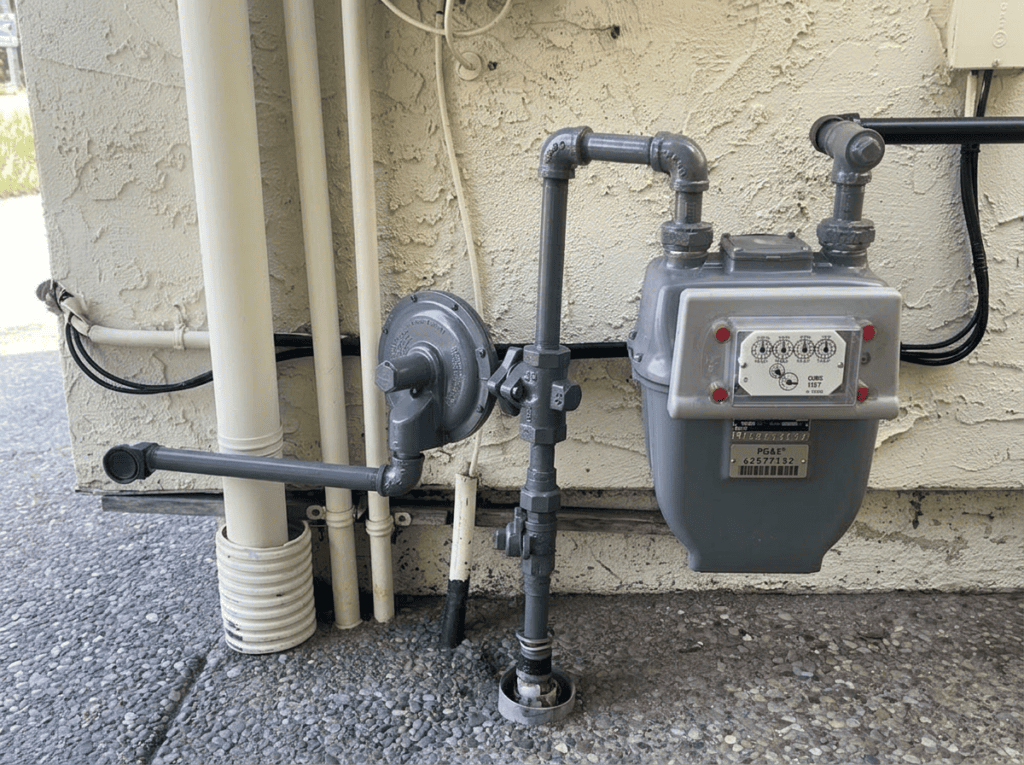
Gas line installation in San Jose means handling underground gas utility work safely with the least practical disturbance to the property. Gas lines demand careful planning — location, depth, material, pressure, permits and utility coordination all matter. A limited-dig or trenchless approach can sometimes reduce excavation. In other cases code, access or safety requirements still call for open trenching. Gas line work is never a do-it-yourself job, so a professional assessment comes first.
Common Signs or Situations That Call for Trenchless Service
Gas line projects range from appliance upgrades and new outdoor features to utility relocations, corrosion, damaged piping or a suspected leak. Any gas odor or immediate safety concern means one thing — leave the area and call the gas utility or emergency services first. For planned work, a licensed utility contractor can evaluate routing, access, nearby utilities and whether a limited-dig approach makes sense.
Traditional Repair vs. Trenchless Repair
Traditional repair means excavating along the pipe path so crews can expose and replace the damaged section directly. That approach is sometimes necessary — when a pipe has collapsed, access is blocked or site conditions rule out trenchless work. Trenchless methods take a different approach. Crews use existing openings, small access pits, cleanouts or planned entry points to inspect, line, burst, drill, pothole or replace the pipe with less surface disruption. For gas line installation in San Jose, the best method solves the actual pipe condition, not just the one that sounds least invasive. A good contractor explains why a trenchless option fits or why excavation is still needed.
When Trenchless Repair Is the Right Solution
A limited-dig approach works when the route can be planned safely and the project meets code, utility and inspection requirements. It fits less well when the line needs full exposure, utility conflicts are tight or safety rules require another approach. Because gas work carries serious risk, base the decision on professional review, not convenience. TrenchFree helps property owners assess underground gas line needs and coordinate the right repair or installation path.
Benefits of Choosing a Trenchless Approach
The main benefit is disruption mitigation. Less digging means less property damage, less restoration, fewer access problems and a smoother experience for residents, tenants, customers or the public. Trenchless work also simplifies planning because inspection findings define the line’s condition before the repair begins. For homeowners, that protects landscaping and hardscapes. For commercial properties, it preserves access and reduces downtime. For HOAs and municipal sites, it helps coordinate work across shared spaces with fewer complaints and less surface restoration.
What Affects the Cost or Timeline?
Cost and timeline depend on pipe length, depth, diameter, material, condition, access points, soil conditions, cleaning needs, permits, utility conflicts and the selected repair method. Emergency work adds scheduling pressure because crews may need to stabilize the problem before planning a permanent fix. Skip exact pricing until the line has been inspected and the site reviewed. A short, easy-to-access repair is a different job than a deep line under pavement or a project serving multiple buildings.
Why Work With TrenchFree?
TrenchFree specializes in underground pipe and utility work where the right method matters. Its team serves Bay Area property owners, HOAs, commercial sites and municipal clients that need clear recommendations and options, rather than a one-size-fits-all repair. The process starts with understanding the problem, reviewing site constraints and explaining the options in plain language. If trenchless repair is the best option, TrenchFree can recommend a method designed to limit disruption. If excavation or another approach is needed, the recommendation should reflect that reality too.