Cured-in-Place Pipe (CIPP) Lining: Application and Cost Factors
Each year, thousands of Bay Area properties face underground pipe failures—costing homeowners $5,000–$25,000+ in repairs, according to the EPA. Traditional excavation can tear up landscapes, driveways and streets, but cured-in-place pipe (CIPP) lining offers a trenchless alternative that renews pipes from the inside. This guide explains how it works, when it’s the right solution, and what property owners should consider before choosing a repair method.
When an underground pipe problem starts affecting a home, commercial property, HOA community or public site, the first concern is usually how much disruption the repair will cause. This guide explains CIPP lining in practical terms so property owners can understand the options before committing to open excavation. A trenchless approach can often reduce digging, protect finished surfaces and help teams plan repairs with clear information from inspection findings across the Bay Area. The right solution depends on the pipe material, damage pattern, access points and site conditions. So the goal is to explain what to look for and when to bring in a trenchless contractor.
What CIPP Lining involves
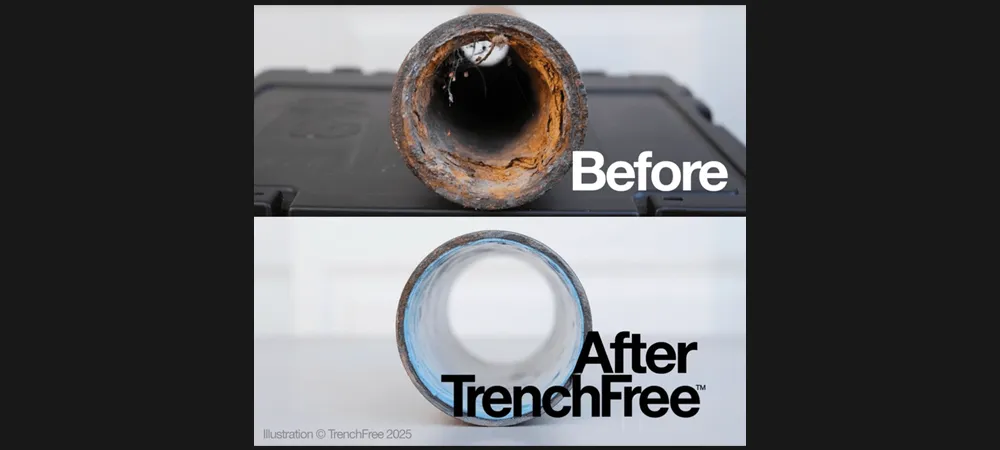
CIPP lining is a trenchless repair approach used to renew an existing pipe from the inside. Depending on the method, a liner or formed pipe is installed inside the host pipe to create a new, smooth and structurally useful interior surface. This can be helpful when the pipe is accessible, mostly intact and suitable for lining after cleaning and inspection. Pipe lining is different from full pipe replacement because the existing pipe stays in place and becomes the pathway for the new lining system.
First, determine if cured-in-place renovation will solve your underground pipe issues
Lining may be a fit when a pipe has cracks, root intrusion, minor offsets, corrosion, infiltration or repeated blockage issues, though the pipe still retains enough shape and continuity to support a liner. It is not a fix for every collapsed or severely misshapen pipe.
Then, inspect and clean the pipeline
Cleaning and camera inspection usually come first because the contractor needs to view the actual condition of the line before recommending CIPP, thermoform lining, pipe bursting or sectional repair.
Hydrojetting is the most common cleaning method before lining. High-pressure water clears grease, sediment, scale and light root matter so the liner can bond to a clean pipe wall, which CIPP and thermoform both require.
Hydrojetting is not always sufficient on its own. Heavy root intrusion, hard mineral scale or tuberculation often requires mechanical cutting. Mechanical cutting in trenchless work is increasingly handled by remote-controlled robotic cutters, crawler-mounted tools that grind, trim, chisel and reinstate connections under live camera control.
Robotic cutting often accompanies the process
Robotic devices can cut straight forward and 360 degrees, grinding through cured lining and reinstating service lateral connections, with video inspection built into the same pass. Their primary role comes after CIPP lining: once the liner cures over a service connection, a robotic cutter reopens the lateral from inside the main, a step called lateral reinstatement.
NASSCO’s CIPP Performance Specification Guideline calls for these connections to be cut open to at least 90 to 95 percent of the original opening area, with the invert cut flush to the mainline to eliminate debris buildup.
Because this robotic cutting equipment is specialized and not readily available from local rental companies, NASSCO notes that redundant robotic cutters are often specified on small-diameter lateral projects so a single equipment failure does not stall the job.
Traditional Pipe Repair vs. Trenchless Repair
Traditional pipeline repair usually means excavating along the pipe path so crews can expose and replace the damaged section directly. That approach is sometimes necessary, especially when a pipe has collapsed, access is blocked or site conditions make trenchless work impractical.
Trenchless methods take a different path. They use existing openings, small access pits, cleanouts or planned entry points to inspect, line, burst, drill, pothole or replace the pipe with less surface disruption. For CIPP lining, the best method is the one that solves the actual pipe condition, not just the one that sounds least invasive. A good contractor should explain why a trenchless option is recommended or why excavation may still be needed.
When trenchless repair is the right fit
A trenchless lining method is usually a good solution when inspection shows that the host pipe can support the process and the problem is inside the pipe wall rather than a total collapse. For example, CIPP lining may suit sewer, storm drain or other gravity-flow lines with cracking, root intrusion or corrosion. Pipe bursting may be a better fit when the line needs full replacement and the existing pathway can be used. TrenchFree evaluates the pipe before recommending CIPP lining, then aligns the repair plan with the correct solution:
Benefits of choosing a trenchless approach
The main benefit is practical disruption control. Less digging can reduce property damage and restoration requirements. It creates fewer access problems and enables a smoother experience for residents, tenants, customers or visitors. Trenchless work can also facilitate planning because inspection findings help define the condition of the line before the repair begins.
For homeowners, that may mean protecting landscaping and hardscape. For commercial properties, it preserves access and reduces downtime. For HOAs and municipal sites, it can help coordinate work across shared spaces with fewer complaints and less surface restoration.
What affects the cost or timeline?
Cost and timeline depend on pipe length, depth, diameter, material, condition, access points, soil conditions, cleaning needs, permits, utility conflicts and the selected repair method. Emergency work can also affect scheduling and cost because crews may need to stabilize the problem before planning a permanent fix. It is better to avoid exact pricing until the line has been inspected and the site has been reviewed. A short, easy-to-access repair is very different from a deep line under pavement or a complex project serving multiple buildings.
Why work with TrenchFree?
TrenchFree is the Bay Area’s leading specialist for trenchless underground pipe and utility work. Its team serves property owners, HOAs, commercial sites and municipal clients across the region who need clear recommendations instead of a one-size-fits-all repair.
The trenchless evaluation process starts with understanding the problem, reviewing site constraints and explaining options in plain language. If trenchless repair is the best fit, TrenchFree can recommend a method designed to limit disruption. If excavation or another approach is more appropriate, the recommendation will reflect that reality as well.
Related TrenchFree Services
Frequently Asked Questions
Is CIPP lining always possible?
No. CIPP lining depends on pipe condition, access, depth, alignment, utility conflicts and local requirements. Inspection is needed before deciding whether a trenchless method is the right fit.
How do I know which repair method I need?
A professional inspection or site evaluation is the best starting point. Symptoms can suggest a problem, but camera findings, utility locating and pipe condition determine whether lining, bursting, point repair, installation or excavation makes sense.
Does lining replace the old pipe?
Lining renews the inside of the existing pipe rather than removing it. If the pipe is too collapsed or badly misaligned, another method such as pipe bursting or excavation may be needed.
Will trenchless repair cost less than digging?
Not always. Trenchless work can reduce restoration and disruption, but the project cost depends on the pipe, method and site conditions. The total value is often in avoiding unnecessary surface damage and downtime.
Does TrenchFree serve my area?
TrenchFree serves San Jose and surrounding Bay Area communities. For local projects, the team can review your property, explain available options and recommend the most practical next step.
For underground pipe repair in the Bay Area, TrenchFree can inspect your line, explain your options and recommend the least disruptive repair method for your property. Contact TrenchFree today to schedule an evaluation.