
HOA & Property Management
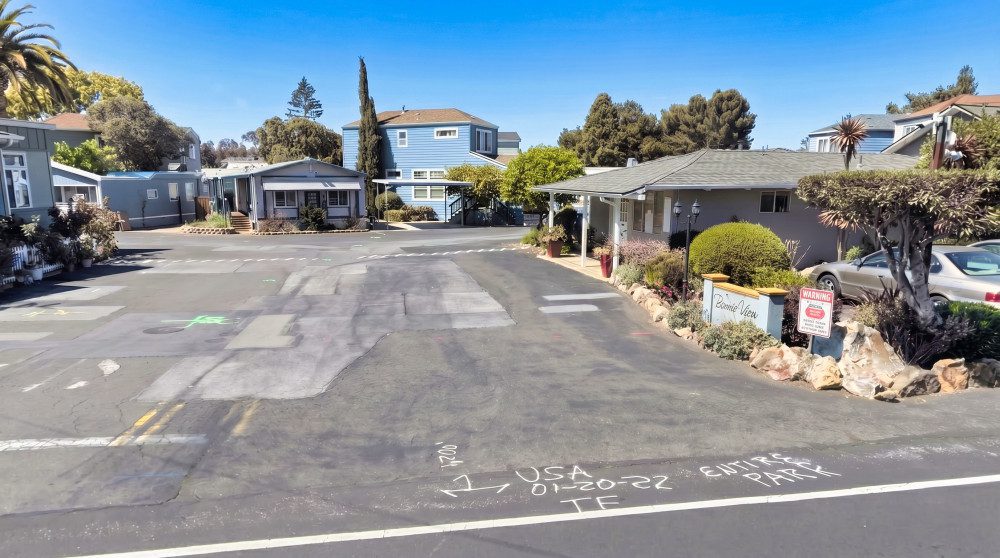
Case Study: Property-Wide Sewer & Water Modernization for a 70-Unit Community
A property-wide solution completed with minimal disruption, clear communication and long-term reliability.
Client Type: Bonnie View Park – Homeowner Association (HOA) / Property Management
Property Type: Occupied Apartment Community
Location: Bay Area, California
Scope of Work: Property-wide Sewer and Water replacement
Project Size: 70 units
This occupied 70-unit community required a permanent solution to ongoing sewer and water system failures that had affected residents and property operations for several years.
Before contacting TrenchFree, the client was facing ongoing concerns with an aging sewer and water system that no longer met the needs of the property. The underground infrastructure had been in place for decades and was approaching the end of its useful life.
For at least five years, the system showed increasing signs of deterioration. While failures had not yet escalated into widespread emergencies, the risk of leaks, blockages and unexpected ruptures was steadily increasing.
Management and ownership were particularly concerned about:
If left unaddressed, the aging system would have continued to deteriorate. Small inefficiencies and leaks would likely have grown in frequency, leading to higher water bills, recurring maintenance issues and potential property damage to slabs, walls and surrounding soil.
Over time, the risk of more serious failures — including sewer backups or pipe ruptures affecting multiple units — would have increased significantly. Deferred action would have turned a controlled upgrade into costly emergency repairs, creating greater disruption and potential compliance or insurance complications.
The client found TrenchFree through an online search and evaluated multiple contractors before making a decision.
TrenchFree was selected because they presented a clear, phased trenchless approach that addressed the root cause of the system’s deterioration rather than offering temporary repairs.
Key factors in the decision included:
Prior plumbers had provided temporary fixes, but those repairs did not resolve the underlying infrastructure issues. Management wanted a permanent, property-wide solution — not another short-term patch.
TrenchFree demonstrated the technical expertise and operational planning required to complete the project safely and efficiently in an occupied environment.
The property presented several logistical challenges that made traditional open-trench excavation undesirable.
The site included:
A conventional excavation approach would have required widespread asphalt removal, disruption to landscaping, disturbance of tree roots and prolonged access restrictions throughout the community.
Trenchless installation allowed targeted rehabilitation beneath existing surfaces while keeping the property fully functional during construction. This minimized physical disruption, reduced restoration requirements and preserved the community’s layout.
TrenchFree implemented a phased, trenchless rehabilitation of the property’s sewer and water systems.
The project was structured to:
Work was completed efficiently while keeping communication clear between management, residents and regulatory agencies.
The biggest wins for the client included:
While trenchless installation can carry higher upfront construction costs, the overall financial impact was more cost-effective than a traditional excavation approach.
Savings were realized through:
When total project impact was considered, the trenchless method delivered superior long-term value.
why direct-to-source saves hoa’s & property managers money
A clearer way to plan major underground infrastructure projects – without unnecessary costs or risk.
Residents responded positively throughout the project.
Because trenchless methods reduced noise, excavation and access restrictions, complaints were significantly fewer than typically expected for a project of this size.
Advance notices were provided for all planned work areas. In the event of unforeseen changes, both management and residents were notified immediately. This proactive communication helped maintain trust and reduce uncertainty during construction.
An unexpected positive outcome was the reduction of on-site traffic and congestion. With less heavy excavation equipment and open trench exposure, the site maintained safer conditions for both residents and workers.
The phased structure of the project also improved tenant communication and coordination, resulting in a smoother overall experience.
The project met all permitting and compliance requirements.
HCD conducted inspections throughout the project and backfilling was completed only after inspections were successfully passed.
Upon completion, TrenchFree performed a final walkthrough with the client to review work areas and address any punch-list items before formal closeout.
For projects of this type, TrenchFree offers warranty options of 1, 5 or 10 years, depending on scope, materials and installation methods.
“TrenchFree is a contractor that understands how to solve underground infrastructure problems without turning your property upside down.”
This case study is especially relevant for:
Advice to Similar Communities:
Do not continue investing in temporary fixes. Bring in a contractor who can evaluate the entire system, explain long-term options clearly and implement a solution that minimizes disruption while protecting property value.
Learn how a Property Infrastructure Assessment can help your board or management team plan responsibly and avoid surprises.