Wastewater backing up from underground sewer pipes can carry health risks, damage property and trigger costly repairs without warning. Unlike a routine plumbing leak, a sewer line backup brings contamination that’s dangerous to residents and that can threaten a home’s structural integrity. San Jose residents who remember the Coyote Creek floods of 1997 or 2017, or the Alviso flood of 1983 understand the impact of contaminated water in their homes. The same contamination dynamic occurs on a much smaller scale when an underground sewer line backs up and introduces sewage into a home.
What Is Sewage Damage?
Damage occurs when a sewer line backup introduces contaminated water into a home. This water contains human waste, bacteria, viruses, pathogens and sometimes chemicals or toxins. The hazardous water is sometimes referred to as “blackwater.”
Unlike clean water from a burst pipe, black water can cause immediate health issues and property damage if not addressed promptly. Pathogens can infiltrate every surface they come in contact with. Sewage can affect floors, rugs, walls, furniture and personal belongings, and require specialized cleaning and restoration.
How Does Sewage Damage Happen?
Sewage damage can occur for a variety of reasons, many of which are beyond a homeowner’s immediate control.
Clogged Drains or Pipes: One of the most common causes of sewage backup is a blockage in the home’s outdoor plumbing system. Hair, soap, toilet paper or dropped objects can clog pipes over time, preventing wastewater from flowing properly. Over time, this can cause a backup that forces sewage into the home.
Sewer Line Issues: Problems with municipal sewer lines or private septic systems can lead to backups. Tree roots infiltrate sewer pipes, pipes corrode or heavy rains overwhelm city sewer systems. In older neighborhoods, aging infrastructure impacts sewage issues.
Heavy Rainfall or Flooding: During storms, excessive water can inundate sewer systems, causing them to back up into homes. Low-lying properties or those with poor drainage are particularly vulnerable. In some cases, storm drains mix with sewage systems.
Septic System Failures: Homes with septic tanks face specific risks. If a tank is not pumped regularly or if the drain field becomes saturated, the system can fail, sending sewage back into a home or property. TrenchFree can assist with septic tank abatement (link to article) and connection to municipal sewer system to avoid future problems.
Human Error: Flushing non-flushable items like wipes, sanitary products or excessive toilet paper can overwhelm plumbing systems. Even “flushable” wipes can cause clogs, as they don’t break down as easily as manufacturers claim.
Why Sewage Backups Happen in San Jose Area Homes
San Jose has many postwar neighborhoods and older tracts where outdoor plumbing is reaching the end of its lifespan. Many were built before World War II—Downtown San Jose, Japantown, Northside, Willow Glen’s historic district, Naglee Park and the numbered streets of East San Jose just east of the Coyote Creek typically have aging laterals.
Underground pipe systems in San Jose-area postwar homes are also coming to the end of their useful lives. As Silicon Valley transformed South Bay into one of the world’s great economic centers, San Jose grew from 95,280 residents in 1950 to nearly 460,000 residents in 1970. San Jose’s expansions and annexations greatly expanded the city boundaries. Santa Clara, Sunnyvale, Cupertino and Mountain View also grew quickly during this period.
Mature trees, seasonal storms and heavy system use increase the likelihood of clogged outdoor drains and sewer laterals
One of the most common causes of sewage backup is a blockage in the outdoor sewer lateral (the pipe that runs from your house to the city connection). Grease, wipes, paper buildup, hair, and even small objects can slowly narrow the line until wastewater has nowhere to go.
When pressure builds, sewage can reverse course and spill into yards, garages or bathrooms. The most common causes of sewer lateral backups are root infiltration, pipe breaks and offset joints.
A sewer lateral is divided into two sections:
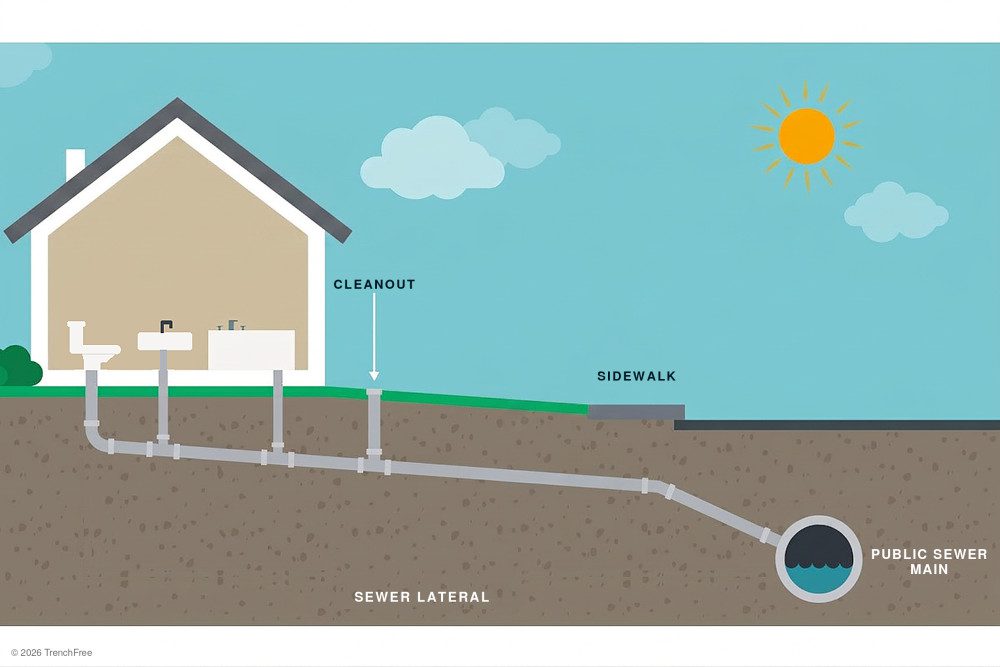
Upper Sewer Lateral
This section runs from the house cleanout to the property line cleanout (typically located before the sidewalk). The upper lateral is generally the homeowner’s responsibility.
Lower Sewer Lateral
This section runs from the property line cleanout (after the sidewalk) to the city main. The lower lateral is often the responsibility of the city or shared with the property owner, depending on local jurisdiction.
Red flags for homeowners
- Slow drains throughout the house
- Gurgling toilets
- Sewage smell near cleanouts or in the yard
- Wet spots or lush patches of grass over the sewer line
Sewer Line Damage and Tree Root Intrusion
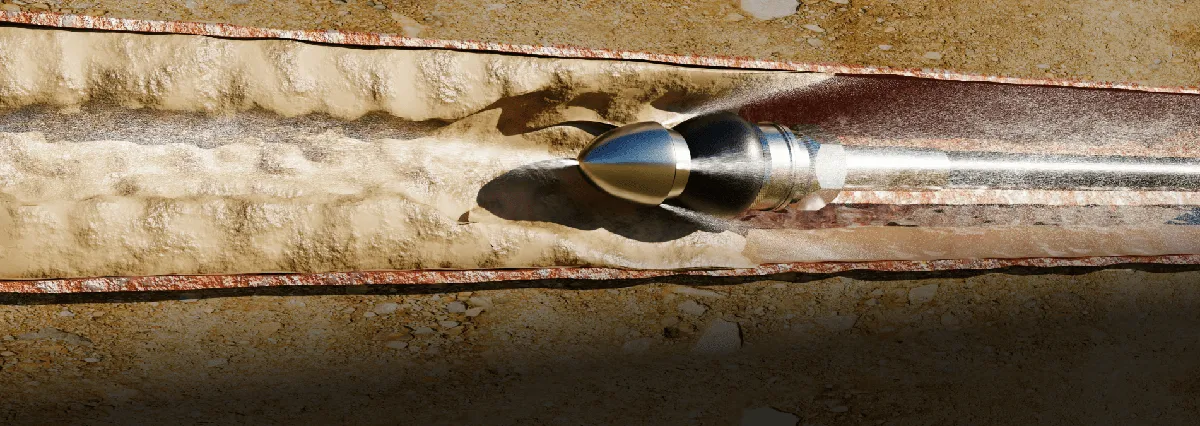
San Jose’s streets are lined with older trees, and their roots naturally seek moisture. If your lateral has small cracks or weak joints, roots can invade the pipe, creating clogs, cracks and collapses. Aging materials in older neighborhoods—like clay or fiber-based pipe—are especially vulnerable.
Danger Associated with Contaminated Water from Outdoor Plumbing Failures
When sewage escapes, it can contaminate soil, walkways, patios and sometimes groundwater or nearby drains. Sewage carries pathogens like E. coli, salmonella, hepatitis A and parasites such as giardia. Exposure can happen through skin contact, accidental ingestion or inhaling aerosolized particles while cleaning. Kids and pets are especially vulnerable.
Possible symptoms of sewage contact include:
- Gastrointestinal illness (nausea, diarrhea, cramping)
- Skin rashes or infections
- Respiratory irritation or asthma flare-ups
- Serious complications for children, seniors and anyone immunocompromised
What To Do Immediately If You Suspect a Sewage Leak or Have a Backup
If you experience a sewage backup in your San Jose area yard or home, speed matters.
1. Protect People and Pets
Keep everyone away from affected areas. Don’t let kids or animals near standing water, wet soil or overflowed drains.
2. Stop Water Use
If the backup is lateral-related, continuing to run water makes the overflow worse. Pause showers, laundry, dishwashers and flushing.
3. Call an experienced underground plumbing specialist right away
A professional can inspect the line, clear the blockage and confirm whether the issue is in your lateral or the city main. Sewer camera inspections are the fastest way to locate roots, collapses, or severe buildup.
Schedule Routine Sewer Lateral Inspections
While you can’t control the municipal system, you can reduce your risk dramatically. If your home was built before the 1980s—or you have big trees on the property—get a camera inspection every few years. It’s the best way to spot root intrusion or pipe sagging before a failure.
Need Help With a Sewage Backup in San Jose?
If you’re seeing sewage smells, wet spots in the yard, slow drains or any sign of overflow, don’t wait. Outdoor plumbing failures can contaminate your property fast—and the health risks are real.
Call TrenchFree’s San Jose-based underground plumbing team for a sewer lateral inspection and assessment. The sooner the line is cleared, the safer your home (and your household budget) will be.