
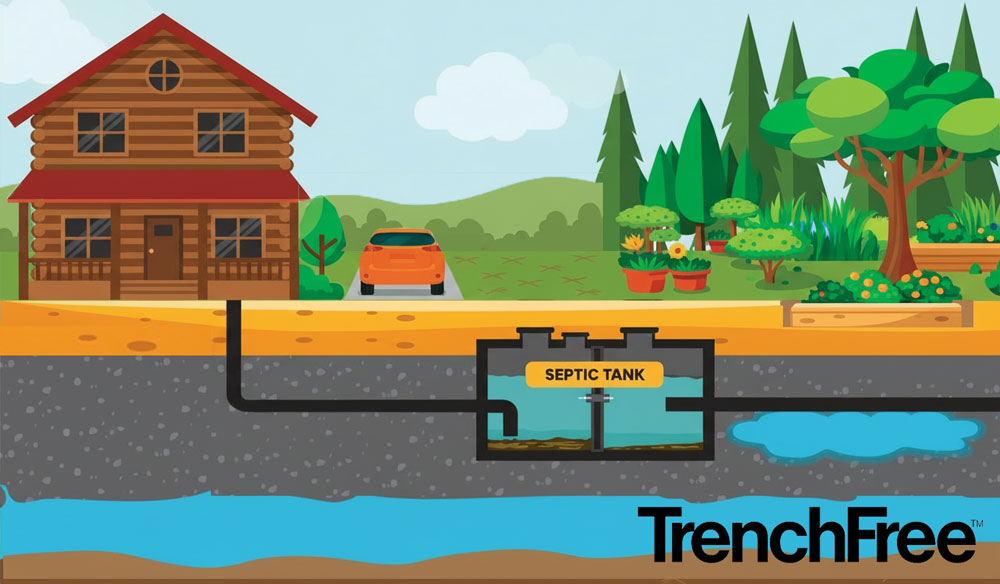
Santa Clara County and its member cities have clear guidelines about when septic systems must be abandoned in favor of municipal sewer connections. Common triggers for septic abatement include:
Septic abatement involves several steps to safely decommission the old system and establish a new sewer connection. Here’s what the process typically looks like:
Before work begins, homeowners need permits from both the local city (San Jose, Los Gatos, etc.) and Santa Clara County Environmental Health. A site inspection confirms the location of the existing septic tank, distribution box, and leach field, and determines the best route for the new sewer lateral.
A licensed pumper removes all remaining sewage and sludge from the septic tank. This step is required before the tank can be properly abandoned and ensures no hazardous material remains on site.
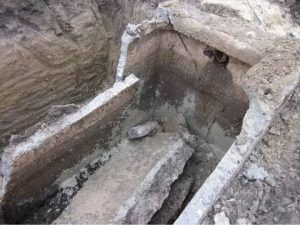
Once pumped, the septic tank must be abandoned according to county
code. The two most common methods are:
In some cases, complete tank removal is required, particularly if the tank is in the path of new construction or utility lines.
With the septic system decommissioned, technicians install a new sewer lateral—the pipe that connects your home’s plumbing to the city sewer main. This may involve trenching across the yard to reach the street, or in many cases, trenchless sewer installation methods can minimize excavation and preserve landscaping.
After installation, the city and county inspect the work to confirm code compliance. Once approved, the new lateral is connected to the municipal sewer, and your home officially transitions off septic.
Traditional septic to sewer conversion often meant digging a trench across the entire front yard to lay the new sewer lateral. For homeowners in Santa Clara County with mature landscaping, long driveways, or hardscaped yards, this can mean significant restoration costs on top of the abatement work itself.
TrenchFree offers trenchless sewer lateral installation as part of the septic abatement process. Using directional boring or pipe bursting techniques, technicians can install the new line with minimal surface disruption—often requiring only small access pits rather than a full open trench. This approach helps preserve trees, patios, driveways, and gardens while still meeting all county and city code requirements.
The cost of septic abatement varies based on several factors:
While costs vary by project, most septic to sewer conversions in the South Bay range from $10,000 to $25,000 or more depending on complexity. Trenchless methods can sometimes reduce overall costs by eliminating extensive restoration work.
Not sure whether your Santa Clara County home is on septic or sewer? Here are a few ways to find out:
If you’re facing a required septic abatement in Santa Clara County—whether due to a home sale, system failure, or sewer line extension—TrenchFree can help you navigate the process from permits to final inspection. Our team evaluates your property, explains your options for tank abandonment and lateral installation, and provides a clear estimate before work begins.
Contact TrenchFree to schedule a consultation and learn how trenchless methods can simplify your septic to sewer conversion while protecting your landscaping and keeping disruption to a minimum.
TrenchFree serves San Jose, Los Gatos, Morgan Hill, Gilroy, Saratoga, Campbell and communities throughout Santa Clara County.