
Safe, efficient underground gas line installation, repair and replacement—done with targeted access points to minimize disruption to property.
Call for a free consultation, or a camera inspection
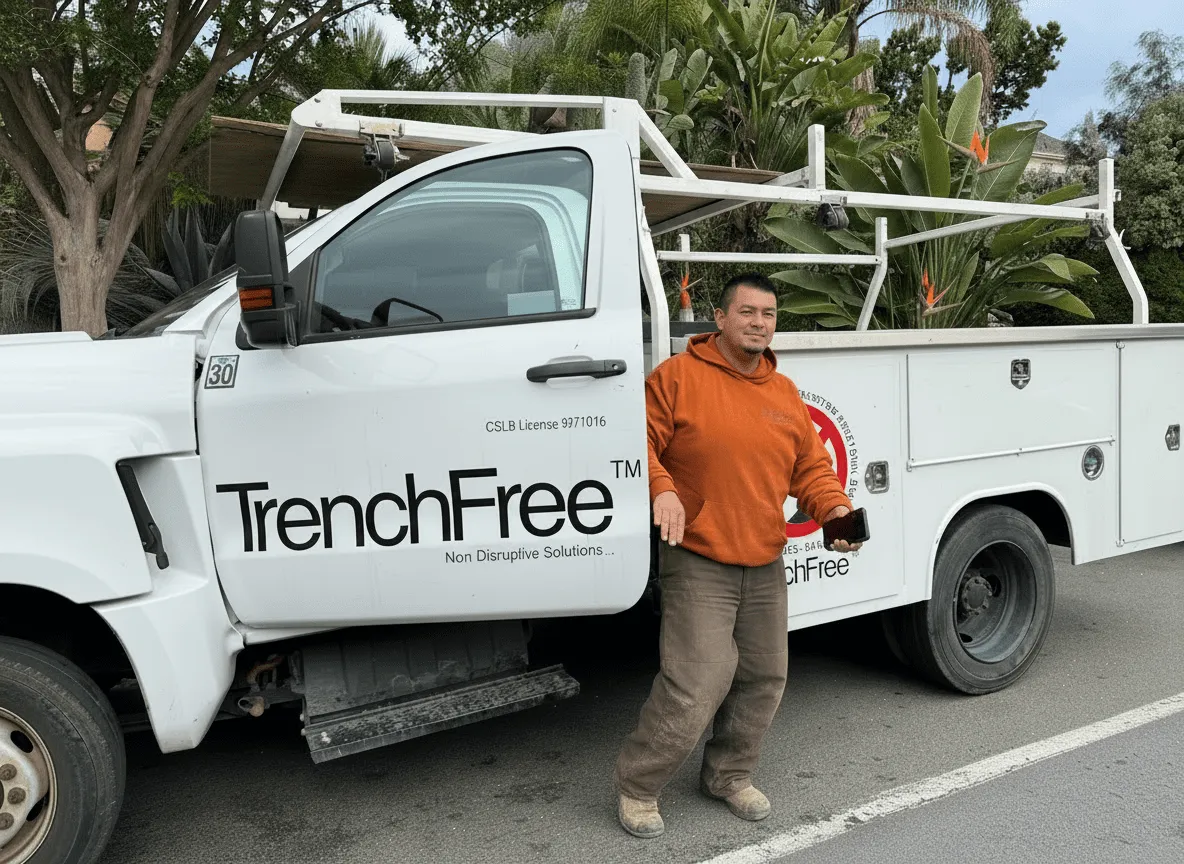
Gas lines aren’t a “wait and see” problem. If your line is outdated, damaged or you’re installing new service, TrenchFree helps you complete the work safely and efficiently—without unnecessary digging.
Depth varies, but federal minimum cover for buried service lines includes 12 inches on private property and 18 inches in streets/roads (with exceptions for obstructions/load).
Many underground distribution/service lines use polyethylene (PE) gas pipe (installed to specific standards) or steel depending on the system and location.
Yes when it meets standards and is properly installed—PHMSA regulates plastic piping systems used in gas service.
Your contractor should call 811 to have utilities marked before any digging.
Yes—always (even for small projects). 811 connects you to the local “one call” center so utilities can mark approximate line locations.
Utilities add a sulfur-based odorant that smells like rotten eggs. Other signs include a hissing sound, dead vegetation in an otherwise healthy area, bubbling in standing water or dirt blowing up from the ground.
Leave the area, avoid sparks (don’t flip switches, smoke cigarettes or use a mobile telephone) and call your gas utility/emergency services from a safe distance. If it’s an immediate danger, call 911.
Responsibility varies by utility and demarcation point (meter/property line). When in doubt, have your contractor call your gas provider to confirm what they own vs. what you own.
Often excluded if caused by wear/tear; some insurers offer endorsements similar to service line coverage—check your policy details.
Costs depend heavily on length, sizing/BTU demand, trenching vs boring, permits and meter work—get a site-specific quote due to safety and code requirements.
It varies widely by material, depth and required testing/inspections. Because gas work is high-risk, pricing often includes permitting, pressure testing, and safety measures.
Often yes—trenchless boring can place a sleeve/conduit or pathway under concrete, reducing surface disruption.
Installing a new gas service line using boring/HDD with small access pits rather than a long open trench—commonly used to protect hardscape.
Yes—this is a common trenchless application when permitted and planned correctly.
Lifespan depends on material, soil conditions, installation quality, and system maintenance. Utilities often modernize older systems as part of integrity programs.
Corrosion (for metal), physical damage from excavation, soil movement, improper installation or aging components.
Yes in most jurisdictions—gas work typically requires permits and inspections due to life-safety issues.
The main is the larger public distribution pipe; the service line branches off to supply a specific property.
Installers perform code-required pressure/leak tests (often with air or inert gas) before the line is placed in service; requirements vary by jurisdiction and utility.
Roots are less likely to “invade” a pressurized gas pipe like sewers, but roots and soil movement can still contribute to shifting or stress. Damage is more commonly from digging.
Use a licensed, permitted contractor (or utility) and follow required locating, permitting, trenching/boring and testing procedures. Never DIY gas line work.
It depends on the defect and location. Some issues can be repaired; severely corroded/damaged sections often require replacement and re-testing.
Many residential installs are 1–2 days plus scheduling for inspections/utility coordination.
At minimum, federal rules for buried service lines include 12 inches cover on private property and 18 inches in streets/roads. Gas mains require 24 inches of cover. Additional local/utility requirements vary.
Examples include:
For PG&E gas service projects:
Minimum burial depths are regulated and vary by location:
Most underground gas service lines use polyethylene (PE) gas pipe, which is flexible, corrosion-resistant, and approved for gas use when installed to code. Steel may still be used in certain locations or transitions.
Yes. When installed properly and meeting federal and utility standards, PE gas pipe is safe and widely used. Plastic gas piping systems are regulated at the federal level and governed by strict installation requirements.
Yes—always. Calling 811 ensures underground utilities are marked before any excavation or boring begins. This is required by law and critical for safety.
Utility locating services mark known public and private utilities. If lines are unmarked or uncertain, targeted potholing may be required.
Leave the area immediately. Do not create sparks or use electronics. Call your gas utility or emergency services from a safe location. If there is immediate danger, call 911.
Ownership depends on the utility’s demarcation point, typically at the meter or property line. PG&E owns the main and often the service line up to the meter; the homeowner owns piping beyond that point. Ownership should always be confirmed before work begins.
Yes. Trenchless boring is commonly used to install gas lines beneath concrete, driveways, and walkways while minimizing surface damage, when permitted and properly planned.
Trenchless installation uses boring or HDD methods with small access pits instead of open trenches. It is often used to protect hardscape and landscaping.
Yes. Gas lines must pass code-required pressure and leak testing before being placed into service. Testing methods and durations vary by jurisdiction and utility.
Lifespan depends on material, soil conditions, installation quality, and exposure. PE piping can last decades when properly installed.
Yes. Gas work almost always requires permits and inspections due to safety risks and code requirements.